Tracer Gas Leak Detection in Placentia, CA
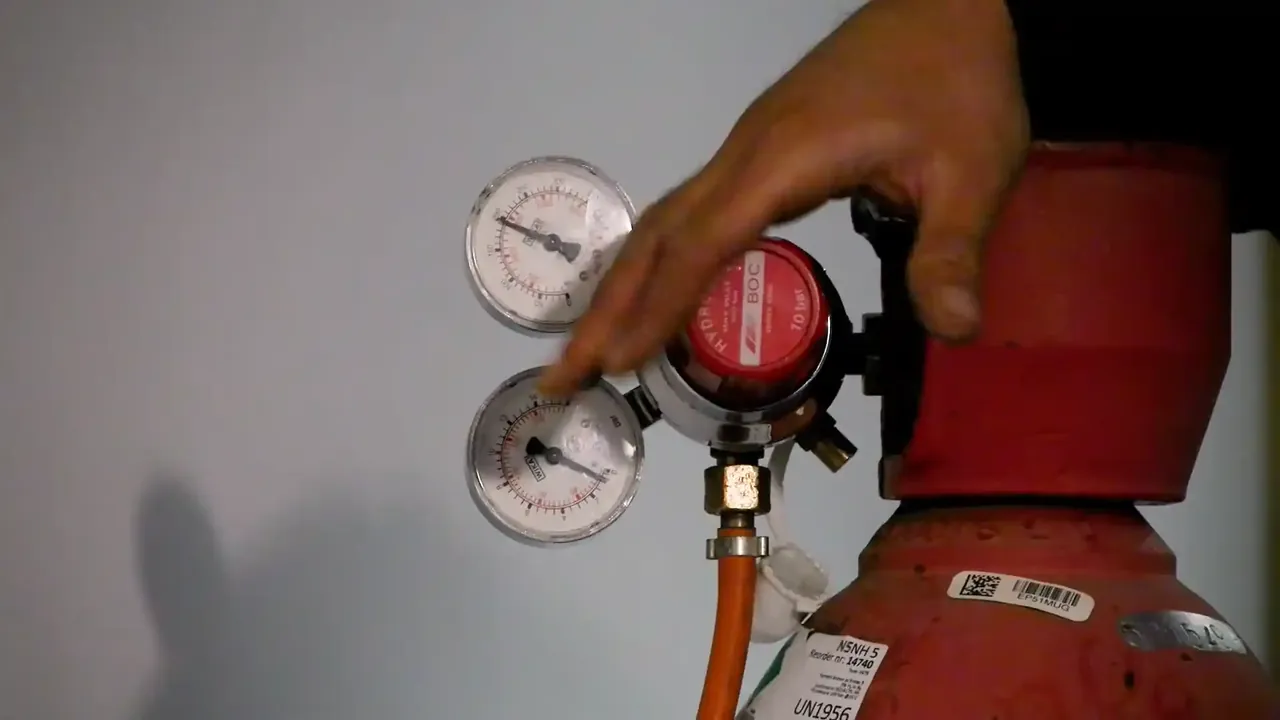
Tracer gas leak detection introduces a safe, inert gas mixture into a pressurized pipe system and detects that gas at the surface above the failure point using a sensitive gas sensor. The most common tracer gas mixture for water pipe leak detection is a blend of 95 percent nitrogen and 5 percent hydrogen, a combination that is non-flammable at that ratio, non-toxic, and lighter than air. When this mixture is introduced into a supply pipe that has been isolated and drained, it escapes through any breach in the pipe and rises through the surrounding soil, concrete, or building materials to the surface. A detector wand passed slowly over the suspected failure area detects the hydrogen component of the escaping gas and identifies the exact surface point above the breach.
Tracer gas detection is most useful in Placentia for situations where acoustic and thermal methods have identified a general failure zone but have not pinpointed the exact breach location precisely enough to plan a minimum-size access opening. It is also the preferred method for failures in pipe sections that run under areas with high thermal mass or high acoustic interference, where infrared and acoustic methods produce ambiguous results. For deep under-slab failures where the acoustic signal from the breach has attenuated significantly by the time it reaches the slab surface, tracer gas escaping through the concrete pores produces a concentration that the detector reads accurately even when the acoustic signal is near the noise floor of the listening equipment.
For difficult-to-locate failures where acoustic and thermal methods have not confirmed the exact point, call (714) 750-8637 to discuss tracer gas detection. Available across all Placentia and North OC service areas.
Applications in Placentia Slab Homes
In Placentia's slab-on-grade homes, tracer gas detection is applied when a pinhole failure in a 1950s to 1960s copper supply line has been confirmed by pressure testing but the acoustic signal at the slab surface has not narrowed the location to within the precision needed to plan a minimum concrete opening. The gas is introduced at a fixture shutoff or supply access point with the line isolated and the water drained from the section under test. The gas escapes at the breach and permeates upward through the concrete. The detector wand passed over the slab surface in a systematic grid identifies the concentration peak directly above the failure. The concrete opening for repair is then planned precisely at that confirmed location, minimizing the floor area disturbed. See our slab leak detection page for how tracer gas integrates into the full detection and repair sequence.
Acoustic and thermal haven't pinpointed it? Tracer gas finds the exact breach location.
(714) 750-8637Safety and Non-Toxicity
The 95-5 nitrogen-hydrogen blend used for tracer gas detection is specifically chosen for its safety profile. At 5 percent hydrogen concentration in nitrogen, the mixture is below the minimum hydrogen concentration required for flammability in air, which is approximately 4 percent hydrogen in air. When the gas escapes from the pipe into the soil or concrete, it dilutes further as it rises, reaching even lower concentrations at the detection surface. The nitrogen component is inert and constitutes 78 percent of normal air already. There is no health risk to occupants from residual tracer gas in a building following a detection survey. For the detection methods that precede tracer gas in the standard Placentia detection sequence, see our acoustic detection and thermal imaging pages.
Tracer gas leak detection available across all Placentia and North OC service areas. Call (714) 750-8637 to discuss whether tracer gas is appropriate for your specific detection situation.
| Build Era | Supply & Drain Material | Representative Neighborhoods |
|---|---|---|
| Pre-1950 citrus-era | Galvanized supply lines and cast iron drains | Old Town Placentia, Downtown Placentia, Atwood |
| 1950s to 1960s post-war | Copper supply lines now in deep pinhole-failure range after 60 to 70 years of hard-water exposure | North Placentia, South Placentia, West Placentia, +1 more |
| 1970s to 1980s expansion-era | Copper supply lines in mid-failure range, some polybutylene gray plastic pipe | East Placentia, Bradford Place, Tuffree Park Area, +2 more |
| 1990s and newer | PEX dominant with some copper hybrid, PVC drains | Camino Loma Verde, Sanchez Reservoir Area |
Frequently Asked Questions
Is tracer gas safe to use in an occupied home?
Yes. The 95-5 nitrogen-hydrogen tracer gas blend used for water pipe leak detection is non-flammable at that ratio, non-toxic, and lighter than air. Any gas that escapes from the pipe into the building dilutes immediately in the ambient air to concentrations well below any concern threshold. Occupants can be present during a tracer gas detection survey.
When is tracer gas used instead of acoustic detection?
Tracer gas is used when acoustic and thermal methods have identified a general failure zone but have not produced a precise enough location to plan a minimum-size floor or concrete access. It is also used when ambient noise or deep concrete coverage reduces acoustic method effectiveness, or when the failure is in a pipe section that has been drained and isolated for other reasons, making acoustic detection of pressurized flow impossible.
How long does the tracer gas stay in the pipe?
The 95-5 nitrogen-hydrogen blend is introduced into the isolated, drained pipe section at a controlled pressure. The detection survey is conducted while the gas is at pressure in the pipe, typically within 30 to 60 minutes of introduction. After the survey, the pipe is vented and the gas dissipates from the soil and concrete. There is no persistent residue from the tracer gas after the detection is complete.
Can tracer gas detect very small leaks?
Tracer gas detection is effective for very small breaches because the gas molecules are significantly smaller than water molecules and permeate through soil and concrete pores more easily. A pinhole that releases only a small volume of water under normal supply pressure will release a detectable volume of tracer gas through the same breach and surrounding media when the gas is at detection pressure in the pipe.
To schedule service, call (714) 750-8637. CSLB licensed leak detection specialists serving all of North Orange County.
Call Placentia Leak Repair Experts
24/7 detection and repair across North Orange County. CSLB licensed.
24/7 Emergency Response | CSLB Licensed | Old Town to Kraemer Corridor