Acoustic Leak Detection in Placentia, CA
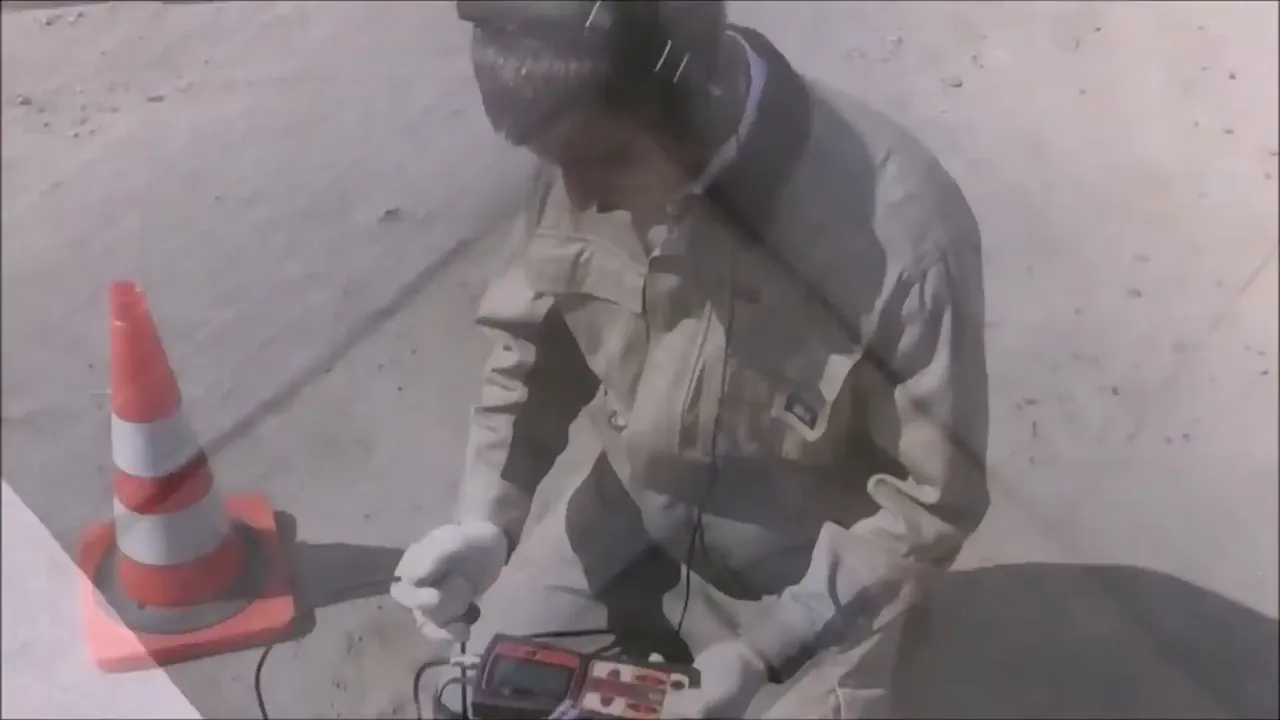
Acoustic leak detection uses listening equipment to hear pressurized water escaping a pipe failure through the surrounding soil, concrete, and building materials. When a supply line under pressure develops a breach, water exits the pipe at high velocity and creates a broadband noise that propagates outward through whatever medium surrounds the pipe. At the surface above the failure, that noise is attenuated but detectable with sensitive ground microphones or contact listening discs. Acoustic detection is the primary method for locating buried supply line failures in Placentia's slab-on-grade homes without any demolition of the floor or excavation of the yard.
Placentia's construction profile makes acoustic detection particularly effective. Every home in the city sits on slab-on-grade concrete, which conducts the acoustic signal from a sub-slab pipe failure to the surface more efficiently than soil alone. The relatively flat North Orange County alluvial terrain means buried service lines run at consistent depth without the grade changes that complicate acoustic readings in hillside properties. And the specific failure pattern in Placentia, driven by Golden State Water's 12 to 18 grain per gallon hard water attacking the 1950s to 1960s copper supply lines throughout the city, produces the pressurized pinhole failure that generates the clearest and most locatable acoustic signature of any leak type.
For a confirmed or suspected supply line leak in any Placentia home, call (714) 750-8637 for acoustic detection. Same-day scheduling available across all 29 service areas.
Ground Microphones and Correlation Equipment
Ground microphones placed directly on the slab surface or on soil above a buried line amplify the sound of escaping water to a level audible through headphones. An experienced operator moves the microphone along the pipe route, noting the intensity and character of the signal at each position. The point where the signal peaks corresponds to the location directly above the failure. On longer pipe runs or where ambient noise makes single-point listening difficult, leak correlation equipment places sensors at two or more points along the pipe route and uses the time difference in the arrival of the leak noise at each sensor to calculate the distance from each sensor to the failure point. Correlation is the more precise method for buried service lines running across a Placentia front yard from the Golden State Water meter to the house.
Contact listening discs applied to exposed pipe sections, shutoff valves, and meter connections amplify sound transmitted along the pipe itself, which travels farther and with less attenuation than sound through soil. Listening at the meter connection, then at the main shutoff inside the house, and then at branch line shutoffs progressively isolates the leak to a specific segment before the microphone work on the slab or soil begins. For the complete sequence when acoustic detection is combined with pressure testing, see our electronic leak detection page. For slab-specific applications, see our slab leak detection page.
Meter moving with everything off? Acoustic detection locates it before floor is opened.
(714) 750-8637Acoustic Detection for Underground Yard Lines
For buried service line failures between the Golden State Water meter and the house in Placentia front yards, correlation equipment provides the most reliable location under the landscaped or paved surfaces that cover most of the lateral route. The correlation process requires access to the pipe at two points: the meter connection at the curb and a valve or pipe connection inside the house. Both access points are available on every Placentia home without any excavation. The correlation result gives a distance measurement from one access point to the failure, which maps to a specific point on the yard surface above the lateral route. Excavation is then planned to that confirmed location rather than to a search area. For the full underground detection sequence, see our underground leak detection page.
Acoustic leak detection across all Placentia neighborhoods and adjacent North OC cities. Call (714) 750-8637 for same-day scheduling. We bring correlation and ground microphone equipment on every detection call.
| Build Era | Supply & Drain Material | Representative Neighborhoods |
|---|---|---|
| Pre-1950 citrus-era | Galvanized supply lines and cast iron drains | Old Town Placentia, Downtown Placentia, Atwood |
| 1950s to 1960s post-war | Copper supply lines now in deep pinhole-failure range after 60 to 70 years of hard-water exposure | North Placentia, South Placentia, West Placentia, +1 more |
| 1970s to 1980s expansion-era | Copper supply lines in mid-failure range, some polybutylene gray plastic pipe | East Placentia, Bradford Place, Tuffree Park Area, +2 more |
| 1990s and newer | PEX dominant with some copper hybrid, PVC drains | Camino Loma Verde, Sanchez Reservoir Area |
Frequently Asked Questions
How accurate is acoustic leak detection?
Acoustic leak detection with correlation equipment locates supply line failures to within 12 to 24 inches of the actual failure point on most buried line configurations. Single-point ground microphone listening typically narrows the location to within 2 to 4 feet before any excavation. Concrete slab transmits the acoustic signal more efficiently than soil, making slab surface detection in Placentia homes particularly precise.
Does acoustic detection work for all types of pipe leaks?
Acoustic detection works best for pressurized supply line leaks where water escapes a breach at high velocity. It is less effective for gravity drain leaks, which operate at atmospheric pressure and produce minimal acoustic signature. It is also less effective for very small leaks at very low pressure, such as a toilet flapper weep, where the flow velocity is too low to generate a detectable signal through slab or soil.
Can acoustic detection work through tile floors?
Yes. Ground microphones placed on tile floor surfaces above a suspected slab leak receive the acoustic signal transmitted through the tile, mortar bed, and concrete. The signal is attenuated by each layer, but the failure signal is typically detectable at the tile surface if the leak is under reasonable pressure and the ambient noise level in the home is low. Detection is most precise in quiet conditions with the HVAC system off.
How long does acoustic leak detection take?
A typical Placentia single-story slab home with a suspected slab leak takes 45 minutes to 90 minutes for the acoustic detection process, including setup, microphone survey of the suspected area, and confirmation of the failure location. Adding correlation of a buried yard service line extends the visit by 30 to 45 minutes depending on the line length.
To schedule service, call (714) 750-8637. CSLB licensed leak detection specialists serving all of North Orange County.
Call Placentia Leak Repair Experts
24/7 detection and repair across North Orange County. CSLB licensed.
24/7 Emergency Response | CSLB Licensed | Old Town to Kraemer Corridor