Slab Leak Detection & Repair in Placentia, CA
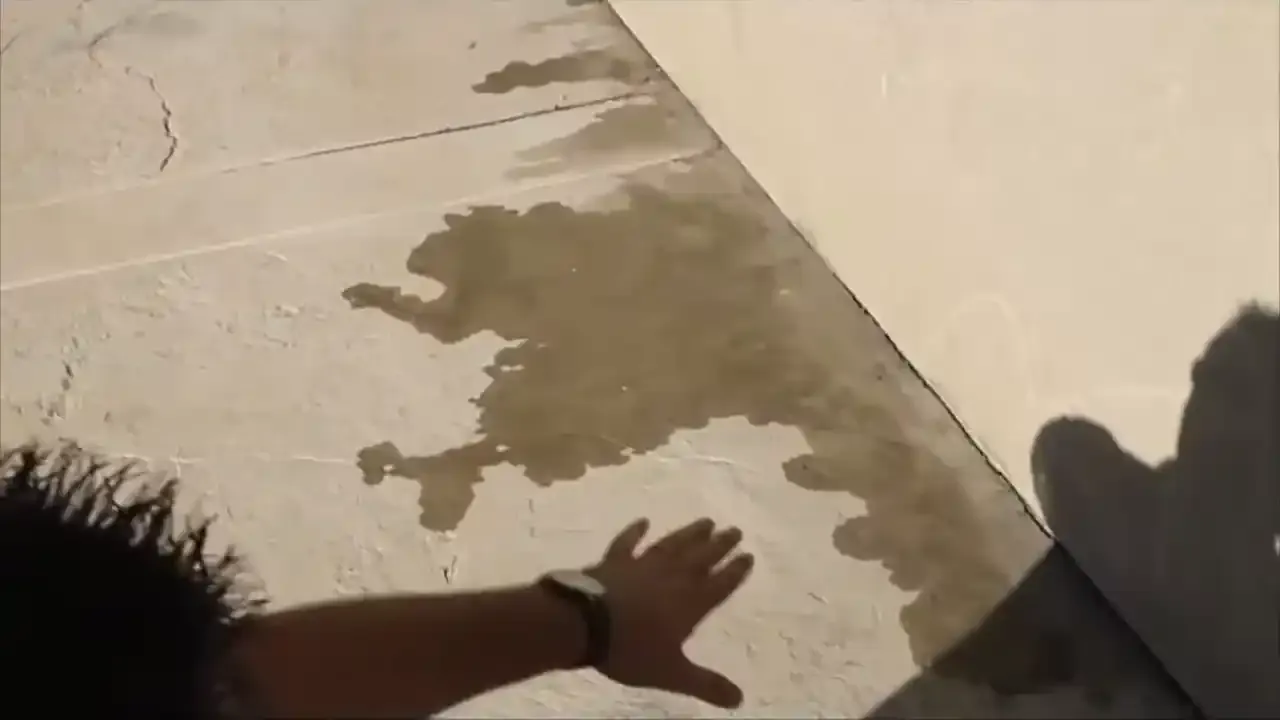
Every home in Placentia sits on slab-on-grade construction. Supply lines run through and beneath the concrete pour, not through a crawl space where a drip would be visible. When one of those lines fails, the first sign is usually an unexplained jump in your Golden State Water bill, a warm spot on the tile floor, or the faint sound of running water at two in the morning with everything turned off.
Two forces accelerate slab leaks in this city more than in most of Orange County. First, Golden State Water draws from the Orange County Groundwater Basin, a 350-square-mile aquifer recharged by the Santa Ana River. That local groundwater source loads the supply with calcium and magnesium picked up from Carbon Canyon watershed soils, pushing total hardness to 12 to 18 grains per gallon. At that mineral concentration, the interior of copper pipe builds scale deposits that restrict flow and trigger pitting corrosion from inside the wall of the pipe. Second, the 2008 Chino Hills earthquake, centered a few miles northeast of Placentia, delivered enough ground movement to stress already-weakened slab joints. The Whittier Fault and the Elsinore Fault Zone Chino Hills segment both run close to North Orange County, and micro-movement events regularly load the joints where copper meets concrete.
If your Golden State Water meter is spinning with every faucet and appliance off, that is the clearest field test you have. Turn off the main, watch the meter dial for thirty seconds, and call (714) 750-8637 with what you found. Same-day response available across all Placentia neighborhoods.
What We Check on the First Visit
Acoustic listening equipment amplifies the sound of pressurized water escaping a pipe under concrete. Electronic leak detection isolates the affected line by pressure-testing supply sections individually. Thermal imaging shows temperature differentials at the slab surface where a hot-water leak is warming the floor above. We use all three in sequence so the locating is precise before any concrete is touched. The method follows the evidence, not the other way around.
Placentia's 1950s to 1960s tract homes in North Placentia and South Placentia run copper that is now 60 to 70 years old. That cohort sits squarely in the window where hard-water pitting and normal fatigue overlap. A single confirmed slab leak in a home of that age is worth inspecting as a system-level symptom, not just an isolated failure. We will tell you honestly whether the rest of the line shows signs of imminent failure. For foundation leak concerns that go beyond the supply line, that assessment shapes the repair path.
Call for same-day service in Placentia and North OC
(714) 750-8637Repair Options After Detection
Once we have a confirmed location, three repair paths are available depending on the pipe age, the failure type, and how much of the system shows corrosion signs.
- Spot repair: Open the slab at the pinpointed location, cut out and replace the failed section. Best for isolated failures in newer copper or in PEX lines where the surrounding pipe tests clean.
- Line reroute: Abandon the failed underground segment and run new copper or PEX through the wall or attic, bypassing the slab entirely. Common in 1950s to 1960s homes where adjacent pipe sections test soft on pressure.
- Whole-house repipe: For homes whose entire under-slab supply has reached the end of its service life. See our whole-house repipe page for the full scope. Hard water at 12 to 18 grains per gallon makes this the right call more often in Placentia than in softer-water cities.
We do not recommend epoxy pipe lining for slab leaks in Placentia. At 12 to 18 grains of hardness, scale continues to attack the pipe wall even after the interior is coated. The underlying copper does not recover. Lining delays the repipe conversation but rarely avoids it.
Neighborhoods We Serve for Slab Leak Work
We cover every Placentia neighborhood, from pre-1950 Old Town Placentia and Atwood where galvanized pipe is still common, through the post-war copper streets of Heritage Park and Bradford Place, to newer PEX construction in Camino Loma Verde. For pipe types specific to your area, see our copper pipe leak detection page. Most slab leak calls in this city come from the 1950s to 1980s cohort zones in North, South, East, and West Placentia.
To schedule a slab leak inspection anywhere in the 92870 ZIP or adjacent North OC cities, call (714) 750-8637. We route same-day for active leaks.
| Build Era | Supply & Drain Material | Representative Neighborhoods |
|---|---|---|
| Pre-1950 citrus-era | Galvanized supply lines and cast iron drains | Old Town Placentia, Downtown Placentia, Atwood |
| 1950s to 1960s post-war | Copper supply lines now in deep pinhole-failure range after 60 to 70 years of hard-water exposure | North Placentia, South Placentia, West Placentia, +1 more |
| 1970s to 1980s expansion-era | Copper supply lines in mid-failure range, some polybutylene gray plastic pipe | East Placentia, Bradford Place, Tuffree Park Area, +2 more |
| 1990s and newer | PEX dominant with some copper hybrid, PVC drains | Camino Loma Verde, Sanchez Reservoir Area |
Frequently Asked Questions
How do I know if I have a slab leak?
Turn off every faucet and appliance, then watch your Golden State Water meter dial. If it moves, water is leaving your system somewhere. Warm floor spots, the sound of running water when nothing is on, and an unexplained water bill increase are the three most common signs in Placentia homes.
Why does hard water cause slab leaks?
Golden State Water serves Placentia from a blend of Orange County Groundwater Basin supply and imported water. The groundwater component carries calcium and magnesium at 12 to 18 grains per gallon. At that hardness, scale deposits form inside copper pipe, restrict flow, and trigger internal pitting corrosion that eventually creates a leak.
Will my homeowner's insurance cover a slab leak repair?
Most California policies cover the water damage caused by the leak but not the pipe repair itself. Coverage varies by carrier and policy. Document the leak location with photographs before any repair work begins and contact your insurer promptly.
How long does slab leak repair take?
A spot repair at a single confirmed location typically takes one to three hours of concrete work plus two to four hours of pipe work. A full line reroute through the walls or attic takes one to two days. Whole-house repipe runs two to three days depending on the home's size and pipe layout.
Can I stay in my home during a slab leak repair?
Yes for most repairs. Water will be shut off to the affected section or the whole house for the duration of the work. For a spot repair, service is usually restored the same day. For a full reroute or repipe, we can coordinate sequencing so that water is available in other parts of the house while sections are being replaced.
To schedule service, call (714) 750-8637. CSLB licensed leak detection specialists serving all of North Orange County.
Call Placentia Leak Repair Experts
24/7 detection and repair across North Orange County. CSLB licensed.
24/7 Emergency Response | CSLB Licensed | Old Town to Kraemer Corridor