Electronic Leak Detection in Placentia, CA
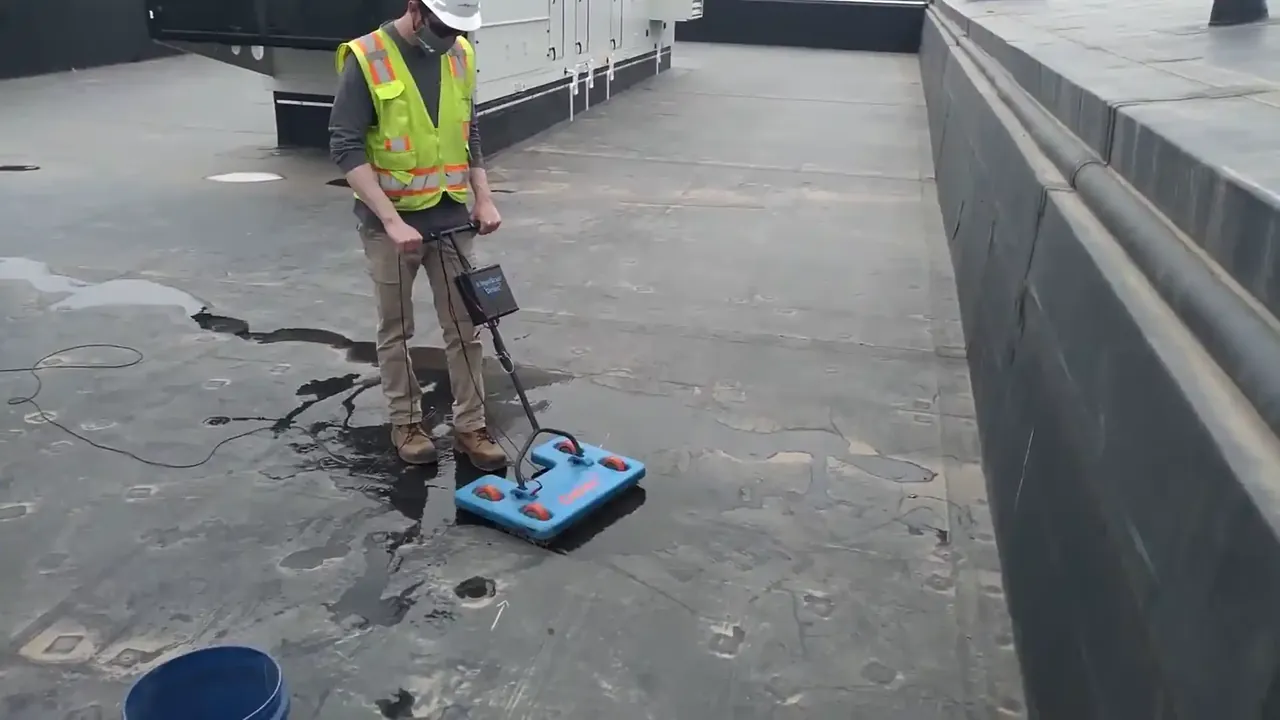
Electronic leak detection encompasses the full set of instrument-based methods used to locate water leaks without destructive access: electronic amplification of acoustic signals from pressurized pipe failures, pressure testing with digital gauges that detect minute pressure drops over timed intervals, and signal-tracing equipment that applies a detectable signal to a buried pipe and reads it at the surface to map the pipe route before acoustic detection begins. Together these methods provide a complete non-destructive diagnostic toolkit for supply line failures in Placentia's slab-on-grade homes.
Pressure testing with digital gauges is the first electronic step on any suspected leak call in Placentia. A calibrated digital pressure gauge attached to a hose bib or test fitting confirms the static supply pressure with the main valve closed. For a home served by Golden State Water in North Orange County, the distribution system pressure typically runs between 65 and 90 PSI at the meter. After confirming static pressure, the supply system is isolated by closing the main shutoff. A pressure drop over a timed interval of 15 to 30 minutes confirms an active leak on the supply side. The rate of pressure drop indicates the approximate leak volume, which helps prioritize the detection sequence. A rapid pressure drop suggests a larger failure, while a slow drop over 30 minutes confirms a small but active pinhole. Either reading directs the next step to acoustic or thermal detection to pinpoint the location.
For a supply line failure diagnosed or suspected in any Placentia home, call (714) 750-8637 for electronic detection. We bring pressure gauges, amplified acoustic equipment, and signal tracers on every detection call.
Electronic Amplification of Acoustic Signals
Electronic amplifiers connected to contact listening discs at pipe access points, shutoff valves, and meter connections amplify the sound conducted through the pipe itself to a level audible through headphones. Sound conducted through metal pipe travels farther and with less signal loss than sound transmitted through soil or concrete, making pipe-contact amplification a complement to ground microphone work on the slab surface. In Placentia's 1950s to 1960s copper homes, the supply system is often accessible at the water heater connections, the main shutoff at the foundation, and the hose bibs at the exterior walls. These contact points provide an audio picture of where the leak sound is strongest before any floor or yard work begins. See our acoustic leak detection page for the ground microphone and correlation equipment that works alongside electronic amplification.
Pressure test, acoustic amplification, and signal tracing on every detection call.
(714) 750-8637Signal Tracing for Buried Pipe Mapping
Electronic signal tracing applies a low-frequency electrical signal to a buried metallic pipe at an access point and reads that signal at the surface with a receiver wand. The receiver wand detects the signal through the soil above the pipe and allows the operator to trace the exact route of the buried pipe on the surface above it. In Placentia yards where the service line route from the meter to the house is not documented and may have deviated from the straight line during original installation, signal tracing establishes the actual route before acoustic correlation is set up. Knowing the exact route prevents placing acoustic correlation sensors at points that are not on the pipe path, which would produce a false location result. Signal tracing applies to metallic pipe only; PVC and PEX service lines require a locate wire or direct probing to establish the route. For the complete application of electronic detection to slab failures, see our slab leak detection page, and for thermal imaging as a complementary non-electronic method, see our thermal imaging leak detection page.
Electronic leak detection across all 29 Placentia service areas and adjacent North OC cities. Call (714) 750-8637 for same-day scheduling on supply line failures of any type.
| Build Era | Supply & Drain Material | Representative Neighborhoods |
|---|---|---|
| Pre-1950 citrus-era | Galvanized supply lines and cast iron drains | Old Town Placentia, Downtown Placentia, Atwood |
| 1950s to 1960s post-war | Copper supply lines now in deep pinhole-failure range after 60 to 70 years of hard-water exposure | North Placentia, South Placentia, West Placentia, +1 more |
| 1970s to 1980s expansion-era | Copper supply lines in mid-failure range, some polybutylene gray plastic pipe | East Placentia, Bradford Place, Tuffree Park Area, +2 more |
| 1990s and newer | PEX dominant with some copper hybrid, PVC drains | Camino Loma Verde, Sanchez Reservoir Area |
Frequently Asked Questions
What is the difference between electronic and acoustic leak detection?
Acoustic leak detection specifically refers to listening for the sound of escaping water through soil, concrete, or pipe using microphones and correlation equipment. Electronic leak detection is the broader category that includes acoustic amplification through electronic instruments, digital pressure testing, and signal tracing of buried pipe routes. Most professional leak detection calls use all of these methods together rather than any single method alone.
Can electronic detection find a leak under a concrete slab?
Yes. Electronic amplification of ground microphone signals at the slab surface is the standard method for locating supply line failures under Placentia's concrete slab homes. The concrete transmits the acoustic signal from the pressurized breach to the surface with less attenuation than soil, making slab surface detection reliable when the correct equipment and technique are applied.
How does a digital pressure test confirm a leak?
A calibrated digital gauge attached to the supply system after the main valve is closed shows the static pressure at the moment of closure. If a supply leak is present, water continues to escape the breach at the failure point, reducing the volume of water in the system and causing the pressure reading to drop over time. A gauge reading that drops steadily over 15 to 30 minutes with the main valve closed confirms an active supply leak.
Does electronic detection work for gas line leaks?
Electronic gas leak detection uses combustible gas sensors rather than acoustic or pressure equipment and is a distinct service from water leak detection. Our detection services cover water supply and drain systems only. Gas line concerns require a licensed gas contractor with the appropriate combustible gas sensing equipment.
To schedule service, call (714) 750-8637. CSLB licensed leak detection specialists serving all of North Orange County.
Call Placentia Leak Repair Experts
24/7 detection and repair across North Orange County. CSLB licensed.
24/7 Emergency Response | CSLB Licensed | Old Town to Kraemer Corridor