Wall Leak Detection & Repair in Placentia, CA
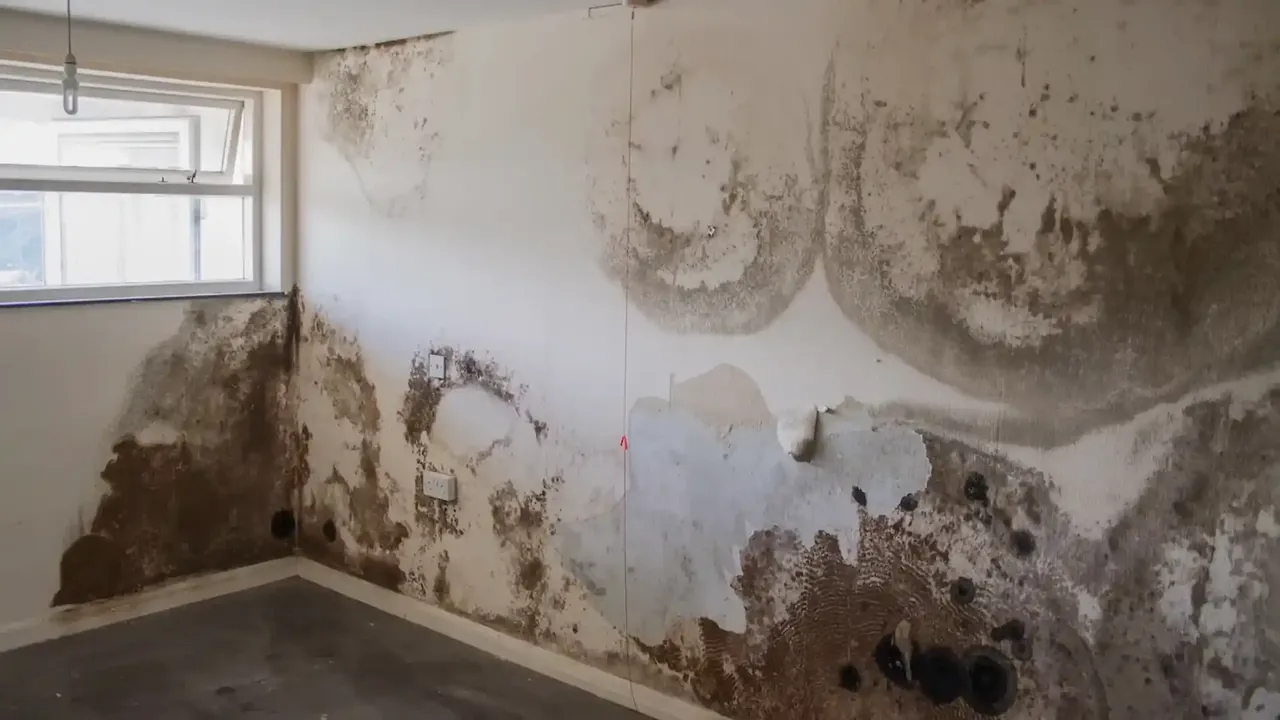
Wall leaks in Placentia homes are almost always hidden. The supply pipes and drain connections that run inside wall cavities are not visible without opening the wall surface, and the building materials around a leaking pipe can absorb and distribute moisture for weeks before any exterior sign appears. By the time a homeowner notices soft or bubbling paint, a brown stain on drywall, or peeling wallpaper, the wall cavity has been wet long enough for mold to have colonized the interior framing. Early detection using moisture meters and thermal imaging prevents the repair scope from expanding from a pipe repair into a full mold remediation project.
The most common hidden wall leak in Placentia's 1950s to 1970s housing stock is a copper pipe pinhole on a supply stub or branch run inside the wall. Golden State Water's 12 to 18 grain per gallon groundwater-blend supply drives internal pitting corrosion on the inside of the copper pipe wall. The pit penetrates the wall thickness and releases a slow drip that initially coats the pipe exterior and insulation material, then saturates the adjacent wall framing, and finally wicks outward through the drywall until a surface sign appears. The surface sign typically appears on the drywall face weeks to months after the pipe first perforates. In that interval, the wet framing has already provided the sustained moisture and nutrient source that mold requires.
For any soft or stained wall surface in a Placentia home, call (714) 750-8637 for moisture meter mapping before any drywall is removed. Identifying the source first prevents cutting the wrong wall section.
Detection Without Demolition
Moisture meters read moisture content through drywall surfaces using pin probes or capacitance plates. A grid of readings across the affected wall area identifies the location of elevated moisture and the direction the moisture is spreading through the wall cavity. Thermal imaging adds temperature information: an active water leak on a cold-water pipe creates a cooler zone in the wall surface above it, and a hot-water pipe pinhole creates a warm zone. These two tools together locate the failure point and the moisture extent without opening any wall surface prematurely.
For supply pipe failures in the wall, acoustic listening equipment amplifies the sound of pressurized water escaping the pinhole through the surrounding framing. In a quiet Placentia home with the main supply pressure running at normal range, a pinhole leak produces an audible hiss at the failure point that the equipment isolates to within a few inches on the wall surface. We mark the location before cutting the access opening, so the opening is sized to the actual repair rather than to a search area. See our acoustic leak detection page for the equipment and method detail.
Soft drywall or paint bubbling on a wall? Call before cutting: moisture mapping first.
(714) 750-8637Drain Connection Weeps Inside Walls
The drain trap arm for sinks exits the wall cavity through a stub-out opening. The connection between the trap arm and the drain pipe inside the wall can develop slow weeps at the slip-joint connection or at the wall stub-out fitting. These drain-side wall leaks are intermittent, active only during fixture use, and typically release smaller volumes than supply-side failures. They are, however, just as capable of producing sustained wall cavity moisture and mold given enough time. The intermittent nature means thermal imaging during inactive periods may miss them. Moisture meter readings taken at different times relative to sink use identify the intermittent moisture gradient that points to a drain-side source. For drain system failures beyond the wall stub-out, see our drain leak detection page.
For wall leaks adjacent to shower enclosures, the assessment needs to include both the supply valve inside the wall and the possibility of grout and tile infiltration through the shower wall assembly. See our shower leak detection page for the combined assessment sequence when a wet wall is adjacent to a shower.
Wall leak detection and repair across all 29 Placentia service areas and adjacent North OC cities. Call (714) 750-8637 for moisture mapping and acoustic detection at any hour.
| Build Era | Supply & Drain Material | Representative Neighborhoods |
|---|---|---|
| Pre-1950 citrus-era | Galvanized supply lines and cast iron drains | Old Town Placentia, Downtown Placentia, Atwood |
| 1950s to 1960s post-war | Copper supply lines now in deep pinhole-failure range after 60 to 70 years of hard-water exposure | North Placentia, South Placentia, West Placentia, +1 more |
| 1970s to 1980s expansion-era | Copper supply lines in mid-failure range, some polybutylene gray plastic pipe | East Placentia, Bradford Place, Tuffree Park Area, +2 more |
| 1990s and newer | PEX dominant with some copper hybrid, PVC drains | Camino Loma Verde, Sanchez Reservoir Area |
Frequently Asked Questions
How do I know if my wall has a pipe leak behind it?
Soft or discolored drywall, paint bubbling away from the surface, a persistent musty odor localized to one wall, mold appearing at the baseboard, or a cold spot on the wall surface during hot weather are all signs of sustained moisture inside the wall cavity. A moisture meter reading at the suspicious area confirms elevated moisture content before any opening is made.
Can you find a wall leak without cutting the drywall?
In most cases, yes. Moisture meters identify the location and extent of wet framing through the drywall surface. Thermal imaging identifies temperature anomalies caused by evaporative cooling at the leak point. Acoustic listening equipment locates the specific pipe failure on supply-side leaks. Together, these tools allow us to mark the access point precisely so the opening is the minimum size needed for the repair.
Why does my wall feel cold in one spot but not damp?
A cold spot on a wall surface without visible damp staining can indicate an active cold-water pipe leak behind the wall where the pipe is cooling the surrounding framing and the drywall surface above it. Thermal imaging distinguishes between a cold spot caused by an exterior wall air infiltration and one caused by a cold-water pipe failure by the location and shape of the temperature differential.
How long does mold take to grow after a wall leak starts?
Mold colonizes cellulose building materials, including wood framing and drywall paper facing, within 24 to 48 hours of initial saturation under the right temperature and humidity conditions. Placentia's warm climate means wall cavity temperatures are rarely low enough to slow mold growth significantly. A wall leak that has been active for more than a week has almost certainly initiated mold growth in the adjacent framing.
To schedule service, call (714) 750-8637. CSLB licensed leak detection specialists serving all of North Orange County.
Call Placentia Leak Repair Experts
24/7 detection and repair across North Orange County. CSLB licensed.
24/7 Emergency Response | CSLB Licensed | Old Town to Kraemer Corridor