Sprinkler System Leak Detection & Repair in Placentia, CA
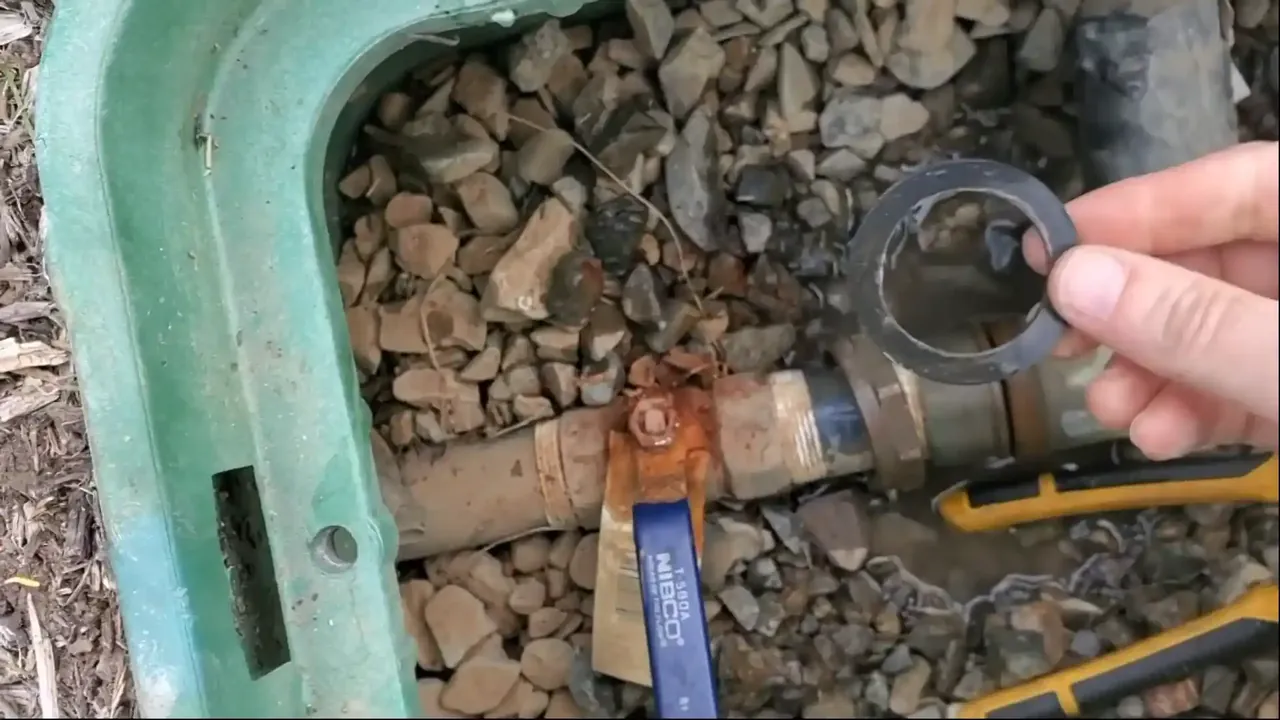
Sprinkler system leaks in Placentia homes span the full irrigation system from the backflow preventer at the main supply connection through the zone valves, the buried lateral distribution lines, and the individual sprinkler heads at each outlet point. Each component fails differently and requires a different diagnostic approach. A systematic assessment of the full system from supply connection to heads identifies all active failure points before any repair scope is defined, preventing the common outcome of repairing one head while a zone valve leak continues to drain the system overnight.
Zone valve failures are the most water-intensive sprinkler system leak in Placentia homes. A zone valve that has failed open runs its zone continuously, bypassing the controller schedule entirely. This failure is most common in solenoid valves whose diaphragm has torn or whose bleed screw has been left in the open position. A zone running at two in the morning with no schedule active is the primary sign of a failed-open valve. Golden State Water meters the consumption continuously, and a failed-open valve on a large Placentia yard zone can add thousands of gallons to a billing cycle before the homeowner notices the wet lawn or receives the monthly statement. A zone valve that has failed closed produces the opposite: a zone that does not activate on schedule, leaving plants in that zone under-watered while all other zones run normally.
For any Placentia sprinkler zone that runs outside its schedule, fails to activate, or shows persistent wet patches over the lateral route, call (714) 750-8637 for same-day system assessment.
Hard Water and Sprinkler Head Failures
Placentia's 12 to 18 grain per gallon hard water from Golden State Water deposits scale on the filter screens inside sprinkler heads at a rate that exceeds most irrigation design assumptions based on soft-water conditions. Scale-clogged screens reduce head output pressure, produce uneven distribution patterns, and can cause heads to fail to retract after the zone run, leaving the head body exposed above grade where foot traffic and lawn equipment can damage it. Flushing the filter screens annually at the start of the irrigation season is the maintenance step that prevents scale accumulation from producing head failures in Placentia's mineral-heavy supply. Heads that are already scaled to the point of blocked output require screen replacement or full head replacement depending on the body condition.
Zone running at 2 AM or failed to activate on schedule? Call for same-day diagnosis.
(714) 750-8637Backflow Preventer Assessment
The backflow preventer at the irrigation system supply connection is required by California plumbing code to protect the potable supply from irrigation system water that may contain fertilizer, pesticide, or soil contamination. Backflow preventers in Placentia's hard-water environment accumulate scale on the internal check valve seats, which can cause the preventer to leak from the relief ports when the seats no longer seal cleanly. A backflow preventer that drips from its relief port is functioning as designed by releasing elevated downstream pressure rather than allowing backflow, but the drip also indicates that the check valve seats need service. Annual backflow preventer testing, required by most California water districts for commercial connections and recommended for residential connections, confirms preventer function and identifies seat wear before a failure event occurs.
For the buried lateral distribution system that connects the zone valves to the individual heads, see our irrigation leak detection page for the zone isolation and acoustic location sequence. For supply line issues at the main service connection, see our water line leak detection page. For the broader yard leak detection assessment when sprinkler system failures have saturated soil near the foundation or service line corridor, the combined assessment covers both.
Sprinkler system leak detection and repair across all Placentia neighborhoods and North OC service areas. Call (714) 750-8637 for full system assessment and same-day zone valve or head repair.
| Build Era | Supply & Drain Material | Representative Neighborhoods |
|---|---|---|
| Pre-1950 citrus-era | Galvanized supply lines and cast iron drains | Old Town Placentia, Downtown Placentia, Atwood |
| 1950s to 1960s post-war | Copper supply lines now in deep pinhole-failure range after 60 to 70 years of hard-water exposure | North Placentia, South Placentia, West Placentia, +1 more |
| 1970s to 1980s expansion-era | Copper supply lines in mid-failure range, some polybutylene gray plastic pipe | East Placentia, Bradford Place, Tuffree Park Area, +2 more |
| 1990s and newer | PEX dominant with some copper hybrid, PVC drains | Camino Loma Verde, Sanchez Reservoir Area |
Frequently Asked Questions
How do I know if my sprinkler zone valve is stuck open?
A zone valve stuck open runs its zone continuously regardless of the controller schedule. The lawn in that zone remains consistently wet, you may hear the heads running at unusual hours, and the Golden State Water meter shows elevated consumption when all scheduled zones are off. The controller display typically shows no active zone, confirming the valve is running independently of the schedule.
Why does my sprinkler head leak at the base after the zone shuts off?
A sprinkler head that drips at the base after the zone shuts off typically has a failed check valve inside the head body that is allowing water from the lateral to drain through the lowest head in the zone. This is called low-head drainage. Replacing the affected head with a check-valve integrated head prevents the low-head drain and the resulting wet patch that forms at the lowest elevation head in each zone.
How often should I flush my sprinkler head filter screens in Placentia?
In Placentia's 12 to 18 grain hard water, annual flushing of sprinkler head filter screens at the start of the irrigation season is the minimum maintenance interval. Homes with drip irrigation emitters, which have smaller orifices than spray heads, benefit from flushing every six months to prevent scale accumulation from blocking the emitter output.
What is the difference between an irrigation leak and a sprinkler leak?
In common usage the terms overlap. Irrigation leak detection covers the buried lateral distribution network, the zone valves, and the supply connection. Sprinkler leak detection focuses on the above-grade components: individual heads, riser connections, and the zone valve manifold. Both services are performed together as a full system assessment for complete coverage.
To schedule service, call (714) 750-8637. CSLB licensed leak detection specialists serving all of North Orange County.
Call Placentia Leak Repair Experts
24/7 detection and repair across North Orange County. CSLB licensed.
24/7 Emergency Response | CSLB Licensed | Old Town to Kraemer Corridor