Yard Leak Detection & Repair in Placentia, CA
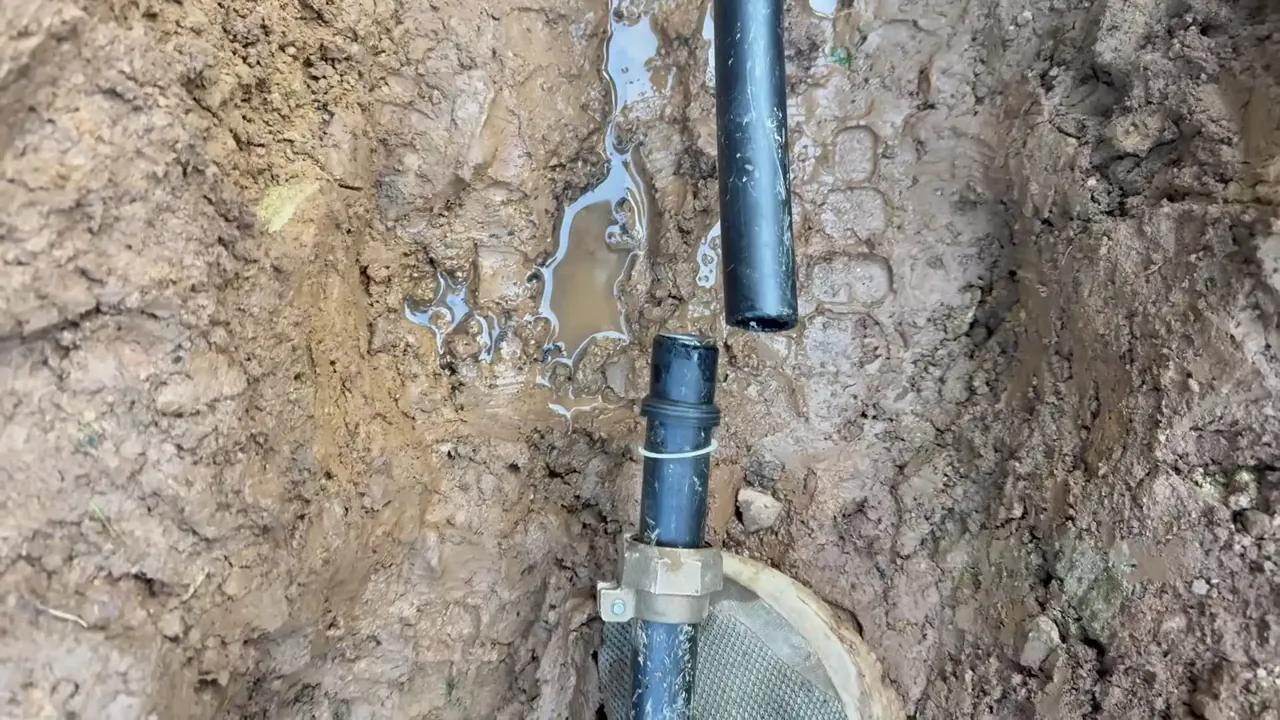
Yard leaks in Placentia homes go undetected longer than almost any other leak type because there is no interior surface to stain, no floor to get wet, and no room to develop a musty odor. The outdoor evidence is subtle: a section of lawn that is greener and lusher than the surrounding turf without being on a separate irrigation schedule, a soft or spongy patch of soil that does not dry out between irrigation cycles, a sinkholes or soil depression over a buried pipe route, or a sewer odor rising from the soil near the lateral corridor between the house and the street. By the time any of these signs appear, the leak has typically been releasing water for weeks.
The Golden State Water meter test is the primary diagnostic starting point for any suspected yard leak on the supply side. Turn off every interior fixture, irrigation valve, and water-using appliance, then watch the meter flow indicator for three minutes. Movement confirms an active supply leak somewhere between the meter and the fixtures. Isolating the yard from the interior supply zone by shutting the main interior shutoff valve while leaving the meter active confirms whether the leak is in the exterior service line between the meter and the house or in the interior distribution system. If the meter stops moving when the interior shutoff is closed, the leak is inside. If it continues moving, the leak is between the meter and the house shutoff, in the service line through the yard.
For any confirmed or suspected yard supply leak in Placentia, call (714) 750-8637 for acoustic ground detection and same-day service.
Service Line Failures in Placentia Yards
The service line from the Golden State Water meter at the curb to the house main shutoff runs under the front yard of every Placentia home. In pre-1950 Old Town Placentia and Atwood properties, this line is often the original galvanized steel service connection, now well past its 50-year useful life in hard-water service. In 1950s to 1970s Placentia tract homes, the service line is copper, and at 60 to 70 years of hard-water exposure it is subject to the same pitting corrosion that drives interior copper failures. Root systems from mature street trees and established yard plantings also intrude at joint connections along the service line route.
Service line failure in the yard produces the soggy patch at the surface and, in severe cases, a visible depression or sinkhole where soil has been washed out by the escaping water. Acoustic ground microphones and correlation equipment locate the failure point by measuring the sound of pressurized water escaping through soil at multiple surface points along the line route. See our underground leak detection page for the full detection equipment and method detail for buried supply line failures.
Soggy yard patch that won't dry out? Meter moving with everything off? Call now.
(714) 750-8637Irrigation System Leaks
Irrigation lateral PVC in Placentia yards runs at 6 to 18 inches of depth through the established plantings that were installed when North Placentia, Bradford Place, and other tract neighborhoods were developed. Root intrusion at bell socket joints is the dominant failure mode, producing pressurized water release at the root-cracked joint that wets the surrounding soil and wicks upward to the surface. Zone isolation during an irrigation test identifies which circuit and which lateral section is involved. Acoustic detection then confirms the specific joint location before any trench is opened in the landscape. See our irrigation leak detection page for the full zone-isolation and detection sequence for irrigation system failures.
Sewer Lateral Failures in the Yard
The sewer lateral running from the house foundation to the city main in the street passes through the front yard below the service line depth. Sewer lateral failures in Placentia yards produce the characteristic sewage odor at the soil surface, chronically wet soil over the lateral route, and unusually lush grass growth over the failing section. Camera inspection from a cleanout access point identifies the failure type and location within the lateral before any excavation is planned. For the full sewer lateral assessment and repair option sequence, see our sewer line leak detection page.
Yard leak detection across all 29 Placentia neighborhoods and adjacent North OC cities. Call (714) 750-8637 for acoustic detection, zone isolation, and same-day dispatch.
| Build Era | Supply & Drain Material | Representative Neighborhoods |
|---|---|---|
| Pre-1950 citrus-era | Galvanized supply lines and cast iron drains | Old Town Placentia, Downtown Placentia, Atwood |
| 1950s to 1960s post-war | Copper supply lines now in deep pinhole-failure range after 60 to 70 years of hard-water exposure | North Placentia, South Placentia, West Placentia, +1 more |
| 1970s to 1980s expansion-era | Copper supply lines in mid-failure range, some polybutylene gray plastic pipe | East Placentia, Bradford Place, Tuffree Park Area, +2 more |
| 1990s and newer | PEX dominant with some copper hybrid, PVC drains | Camino Loma Verde, Sanchez Reservoir Area |
Frequently Asked Questions
How do I know if the wet spot in my yard is from irrigation or a pipe leak?
A wet spot from an irrigation system failure is active during or after the irrigation cycle and dries out between scheduled cycles. A wet spot from a supply line leak is continuously wet regardless of the irrigation schedule. Turning off the irrigation controller and watching whether the wet spot persists over 24 hours without irrigation confirms a continuous supply source.
What does a yard service line leak do to my water bill?
A service line leak that releases one gallon per minute continuously adds approximately 1,440 gallons per day to Golden State Water consumption. At residential rates, a moderate service line failure produces a water bill increase that is immediately apparent on the monthly statement. The meter test confirms active flow with all fixtures off before the bill cycle is complete.
Can tree roots damage a service line in the yard?
Yes. Mature street trees and established yard plantings send root systems horizontally through the soil at depths that intersect service lines and irrigation laterals. Roots enter at threaded joint connections in galvanized pipe and at compression or solder joints in copper service lines. Root intrusion at irrigation PVC bell sockets is the most common specific failure type in Placentia yards.
Do I need to excavate my entire yard to repair a service line?
No. Once acoustic ground detection has confirmed the failure location, excavation is targeted to the confirmed failure point plus a few feet of working clearance. For a full service line in poor condition, pipe bursting or directional boring can install a new line with minimal surface disruption. Trench excavation for a full service line replacement is a last resort, not the default approach.
To schedule service, call (714) 750-8637. CSLB licensed leak detection specialists serving all of North Orange County.
Call Placentia Leak Repair Experts
24/7 detection and repair across North Orange County. CSLB licensed.
24/7 Emergency Response | CSLB Licensed | Old Town to Kraemer Corridor