Sink Leak Detection & Repair in Placentia, CA
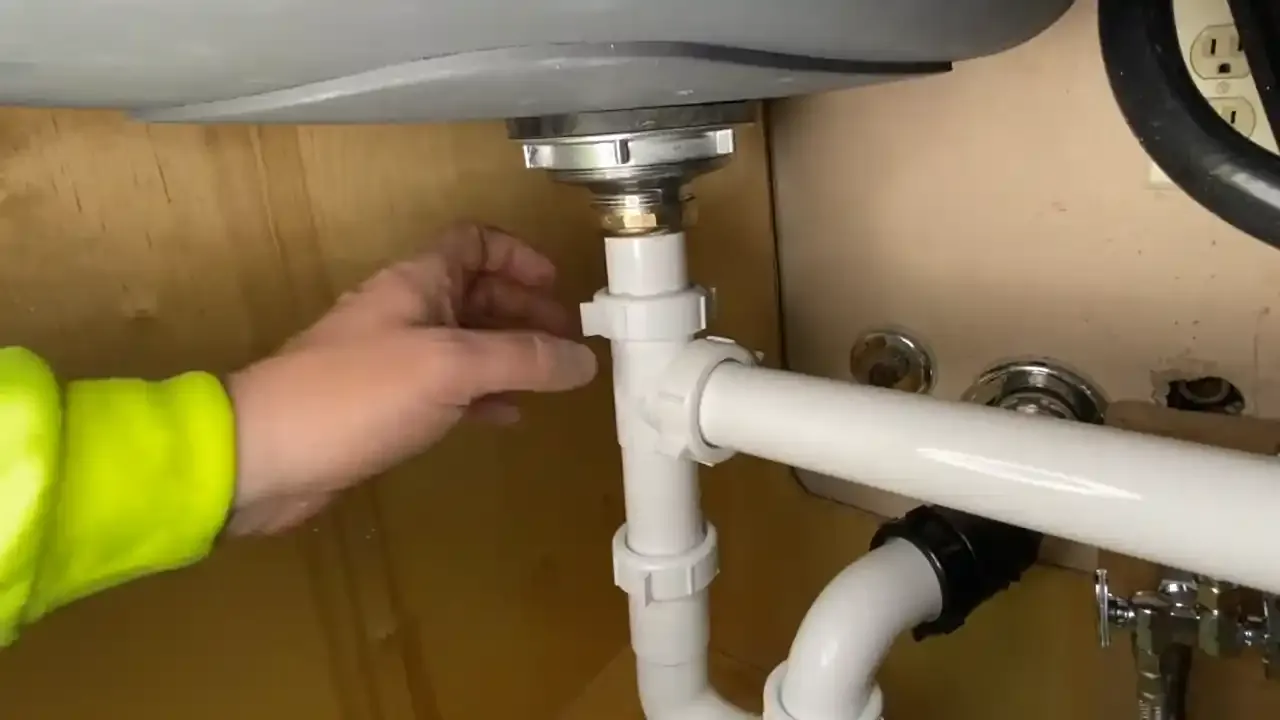
Sink leaks in Placentia homes fall into two categories that require very different responses. Visible leaks at the drain trap, the basket strainer, or the supply hose connections are accessible for inspection and repair without any detection equipment. Hidden leaks at the drain stub-out behind the wall, at the supply pipe inside the wall above the shutoff valve, or at the drain connection below the floor level require moisture detection equipment and sometimes camera inspection to confirm the source before any wall or floor is opened. Treating both categories the same way leads either to unnecessary demolition or to a repair that misses the actual leak location.
The most common visible sink leak in Placentia is a slow drip at the drain trap connection that goes unnoticed because it releases water onto the cabinet floor rather than the bathroom or kitchen floor. The PVC P-trap that serves most post-1970 Placentia sinks can fail at the slip-joint nut connections when the nut has been overtightened and the nylon washer inside has been crushed rather than compressed, creating a partial seal that weeps slowly. In older Placentia homes with chrome brass traps, the trap arm connection to the drain stub-out in the wall is a common failure point because the compression washer inside the slip nut hardens and cracks over time. Hard-water scale deposits inside the trap body also narrow the drain passage and make the trap more susceptible to clogs that back pressure into the slip-joint connections.
A wet cabinet floor under a kitchen or bathroom sink that does not obviously trace to a dripping supply hose or trap joint warrants a moisture investigation of the cabinet back wall and floor before the source is assumed. Call (714) 750-8637 for same-day diagnosis.
Under-Sink Supply Connections
The braided supply hoses connecting the shutoff valves to the faucet inlets are a high-frequency failure point in Placentia's older housing stock. A hose that has been in service for 15 or more years under 12 to 18 grain hard water may show mineral deposits at the compression fitting ends that prevent the cone washer from seating cleanly, creating slow drips at the fitting connection that saturate the cabinet floor insulation and base over weeks before a homeowner opens the cabinet door and finds standing water. Shutoff valves that have not been operated in years may leak at the packing stem when finally exercised for a repair or replacement. Both the hoses and the valves should be evaluated during any under-sink service visit.
Call for same-day service across all of North Orange County.
(714) 750-8637Basket Strainer and Drain Seal Failures
Kitchen sink basket strainers in Placentia homes frequently develop leaks at the plumber's putty seal between the strainer body and the sink basin. This seal degrades over years of thermal cycling from hot and cold water exposure. When it fails, water bypasses the sink drain and runs between the strainer flange and the sink basin, dripping directly onto the cabinet floor below. The leak is most active during heavy water use when the sink basin holds a volume of water, so it may go undetected if the cabinet floor is only checked when the cabinet is in use. For drain leaks that extend deeper than the trap and strainer visible components, see our drain leak detection page for the full drain system assessment sequence.
Wet Cabinet Floors and Hidden Wall Leaks
Moisture at the cabinet back wall or a persistently wet cabinet floor that does not trace to the visible connections indicates either a drain stub-out leak in the wall behind the cabinet or a supply pipe pinhole at the point where the pipe exits the wall above the shutoff valve. Moisture meter readings at the cabinet back wall and at the wall interior above the shutoff valve location identify which system is involved. A supply pipe pinhole in the wall behind the cabinet is a copper pipe failure driven by Placentia's hard-water pitting pattern. See our pinhole leak detection page for the full pitting corrosion context for North Placentia and South Placentia 1950s to 1960s copper. For damage that has spread to the wall interior above or beside the cabinet, see our wall leak detection page for the damage extent assessment.
For sink leak repair in any Placentia neighborhood or adjacent North OC city, call (714) 750-8637. Same-day response for active leaks causing cabinet or floor damage.
| Build Era | Supply & Drain Material | Representative Neighborhoods |
|---|---|---|
| Pre-1950 citrus-era | Galvanized supply lines and cast iron drains | Old Town Placentia, Downtown Placentia, Atwood |
| 1950s to 1960s post-war | Copper supply lines now in deep pinhole-failure range after 60 to 70 years of hard-water exposure | North Placentia, South Placentia, West Placentia, +1 more |
| 1970s to 1980s expansion-era | Copper supply lines in mid-failure range, some polybutylene gray plastic pipe | East Placentia, Bradford Place, Tuffree Park Area, +2 more |
| 1990s and newer | PEX dominant with some copper hybrid, PVC drains | Camino Loma Verde, Sanchez Reservoir Area |
Frequently Asked Questions
How do I find where my sink is leaking?
Start by drying the entire under-sink cabinet floor and all visible connections. Run water for two minutes at full flow, then run a slow trickle for another minute while watching each connection point. The drain trap slip joints, the supply hose compression fittings, the basket strainer flange, and the shutoff valve packing nuts are the four most common failure points visible from inside the cabinet.
Can I use plumber's putty to fix a basket strainer leak?
Yes. If the strainer body is otherwise in good condition, removing the strainer, cleaning the old putty from both the strainer flange and the sink basin surface, applying fresh plumber's putty, and reinstalling the strainer typically resolves a strainer seal leak. If the strainer body is corroded or the locknut threads are damaged, full strainer replacement is more reliable than resealing the existing unit.
Why is my cabinet floor always slightly damp even after I fixed the visible drip?
A persistently damp cabinet floor after the visible connections have been addressed suggests a leak source that is not immediately visible. The most common hidden sources are a hairline crack in the drain trap body, a weeping compression fitting at the back of a shutoff valve, or a supply pipe pinhole in the wall above the valve stub-out. Moisture meter readings at the cabinet back wall identify whether the source is inside the wall rather than at an exposed connection.
Do hard water deposits inside the drain trap cause leaks?
Hard water deposits inside the trap narrow the drain passage and increase the risk of slow drain conditions that can back-pressure the slip-joint connections. Scale on the exterior of the trap connections can also mask a weeping slip joint, making the drip appear smaller than it actually is until the scale crust saturates and releases. Placentia's 12 to 18 grain hard water makes this scale accumulation faster than in soft-water cities.
To schedule service, call (714) 750-8637. CSLB licensed leak detection specialists serving all of North Orange County.
Call Placentia Leak Repair Experts
24/7 detection and repair across North Orange County. CSLB licensed.
24/7 Emergency Response | CSLB Licensed | Old Town to Kraemer Corridor