PVC Pipe Leak Detection & Repair in Placentia, CA
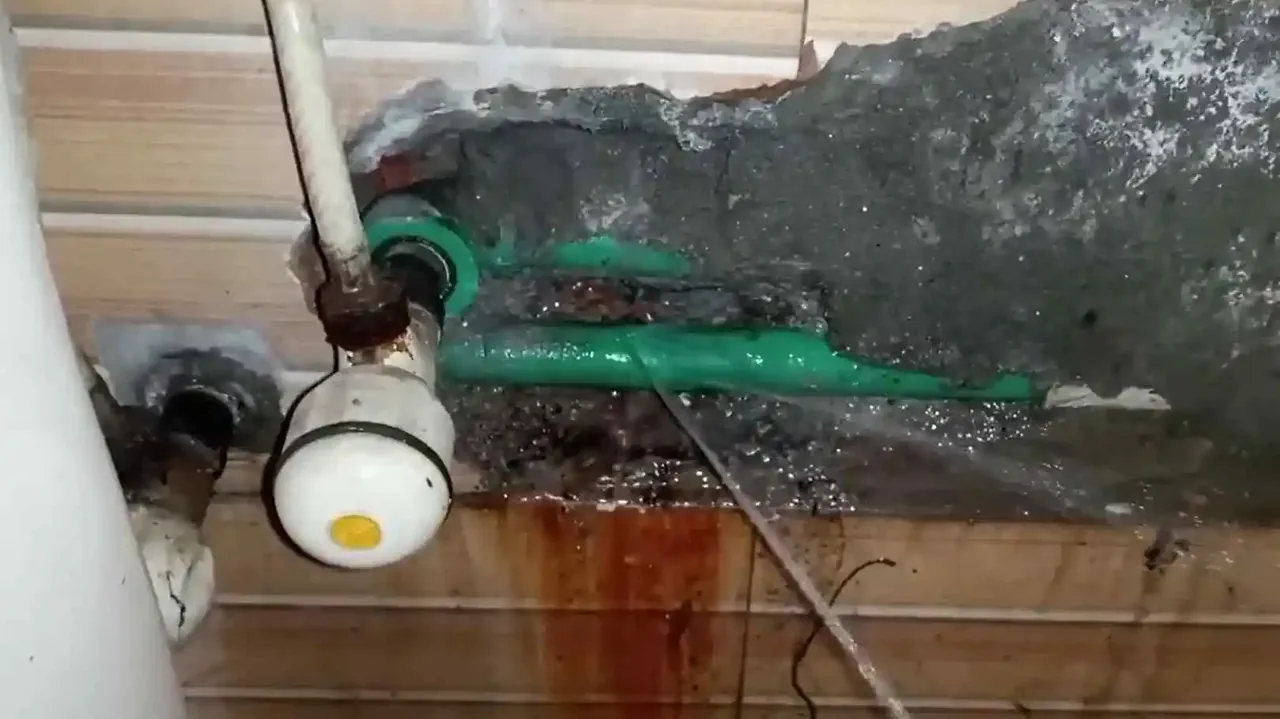
PVC pipe in Placentia serves primarily in drain systems, sewer laterals, irrigation supply lines, and pool plumbing. Unlike copper or galvanized steel, PVC is not susceptible to the chemical pitting corrosion that Golden State Water's 12 to 18 grain per gallon hard water drives through metal supply lines. PVC failures in Placentia instead originate from physical stress: root intrusion at bell socket joints, UV degradation of exposed surface runs, traffic loading over shallow buried lines, improper solvent weld joints that were never fully cured, and thermal expansion cracking in supply-pressure applications where PVC is used in place of the more common CPVC or PEX.
The distinction between PVC failure modes matters for detection. A joint failure at a bell socket from root intrusion presents as a gradual collapse of the socket around the root mass, visible on camera inspection of the drain lateral. A solvent weld failure at a fitting joint presents as a clean fracture along the weld plane, identifiable by pressure testing the affected line section. UV surface degradation produces visible crazing and chalking on exposed pipe runs in utility areas and irrigation risers before any structural failure occurs.
For PVC drain line, irrigation system, or sewer lateral failures in Placentia, call (714) 750-8637 for same-day camera inspection or pressure testing depending on the suspected failure type.
PVC Drain Line Failures
Drain lines in Placentia homes installed from the 1970s onward are typically PVC. Unlike the cast iron or Orangeburg drain systems in older properties, PVC drain lines have a substantially longer design life when properly installed. Failures are most common at improperly glued fitting joints, at long-radius sweep elbows where debris accumulates and root tips find purchase, and at the connection between the house drain and the clay or cast iron lateral stub in older foundation penetrations. Camera inspection of the drain line from an accessible cleanout identifies the failure location and the repair scope. See our sewer line detection page for the full lateral inspection sequence.
Call for same-day service across all of North Orange County.
(714) 750-8637Irrigation and Pool PVC Failures
Buried irrigation PVC laterals in Placentia yards are the most common source of unexplained wet patches in the landscape. PVC irrigation laterals are typically laid at 6 to 18 inches of depth, which puts them within the root zone of established ornamental trees and shrubs. Root tips enter the bell socket at the slip-joint connection, expand as they grow, and crack the socket. The failure releases pressurized water into the surrounding soil, which wicks to the surface and creates the characteristic soggy patch that does not dry between irrigation cycles.
Pool return and suction lines run in PVC beneath the pool deck. These lines operate under both positive pressure on the return side and negative pressure on the suction side, which means air infiltration on the suction side produces air bubbles visible at the return jets during pump operation. This is the diagnostic signal for suction-side underground pool plumbing failures. See our pool leak detection page for the full pool plumbing diagnostic sequence.
CPVC and PEX as Alternatives
Pressure supply applications where PVC has been used instead of CPVC or PEX are a particular concern in older renovation work done without permit review. Standard PVC is not rated for hot water service or for the pressure cycling in a residential supply system. CPVC, which is chemically similar but formulated for higher temperature and pressure service, is the correct material for supply-pressure plastic applications. PEX is now the dominant supply material in new construction and repiping work for its flexibility and hard-water tolerance. Identifying which plastic material is present in a failure situation determines whether spot repair or full section replacement is the appropriate response. See our pipe leak detection page for the full material identification and repair selection sequence.
For PVC pipe failure diagnosis anywhere across the Placentia 92870 ZIP and adjacent North OC service area, call (714) 750-8637. Irrigation, drain, pool, and sewer lateral failures all dispatched same day.
| Build Era | Supply & Drain Material | Representative Neighborhoods |
|---|---|---|
| Pre-1950 citrus-era | Galvanized supply lines and cast iron drains | Old Town Placentia, Downtown Placentia, Atwood |
| 1950s to 1960s post-war | Copper supply lines now in deep pinhole-failure range after 60 to 70 years of hard-water exposure | North Placentia, South Placentia, West Placentia, +1 more |
| 1970s to 1980s expansion-era | Copper supply lines in mid-failure range, some polybutylene gray plastic pipe | East Placentia, Bradford Place, Tuffree Park Area, +2 more |
| 1990s and newer | PEX dominant with some copper hybrid, PVC drains | Camino Loma Verde, Sanchez Reservoir Area |
Frequently Asked Questions
Does hard water damage PVC pipe?
PVC is not chemically reactive to the calcium and magnesium minerals in Placentia's hard water the way copper is. Scale deposits can accumulate inside PVC drain lines and reduce flow capacity over time, but PVC does not experience the pitting corrosion that drives copper failure. PVC failures in Placentia originate from physical causes rather than chemical.
How do I know if my irrigation PVC has a leak?
A wet patch in the yard that persists between irrigation cycles and does not dry out is the most common sign. The patch is typically located over the buried lateral route, often near a tree or shrub whose roots have entered the bell socket joint. Running the irrigation system and watching for unusual surface water or checking each zone's flow rate individually can help identify which zone and which lateral section is failing.
Can PVC drain lines be repaired without digging?
Yes for some failure types. Pipe lining, also called cured-in-place pipe or CIPP, installs a resin-impregnated liner through the existing drain line from a cleanout access, curing a new smooth pipe wall inside the old pipe without excavation. It is most effective in longer drain runs with moderate joint deterioration. Full socket collapses or root masses that have physically blocked the pipe require spot excavation first.
What is the difference between PVC and CPVC?
PVC is polyvinyl chloride, rated for cold water drain and low-pressure applications, identifiable by its white color and Schedule 40 or 80 wall thickness. CPVC is chlorinated polyvinyl chloride, rated for hot and cold water supply pressure, identifiable by its cream or light yellow color. Using standard PVC in supply pressure service is a code violation that can produce sudden pipe failure under sustained pressure cycling.
To schedule service, call (714) 750-8637. CSLB licensed leak detection specialists serving all of North Orange County.
Call Placentia Leak Repair Experts
24/7 detection and repair across North Orange County. CSLB licensed.
24/7 Emergency Response | CSLB Licensed | Old Town to Kraemer Corridor