Plumbing Leak Detection & Repair in Placentia, CA
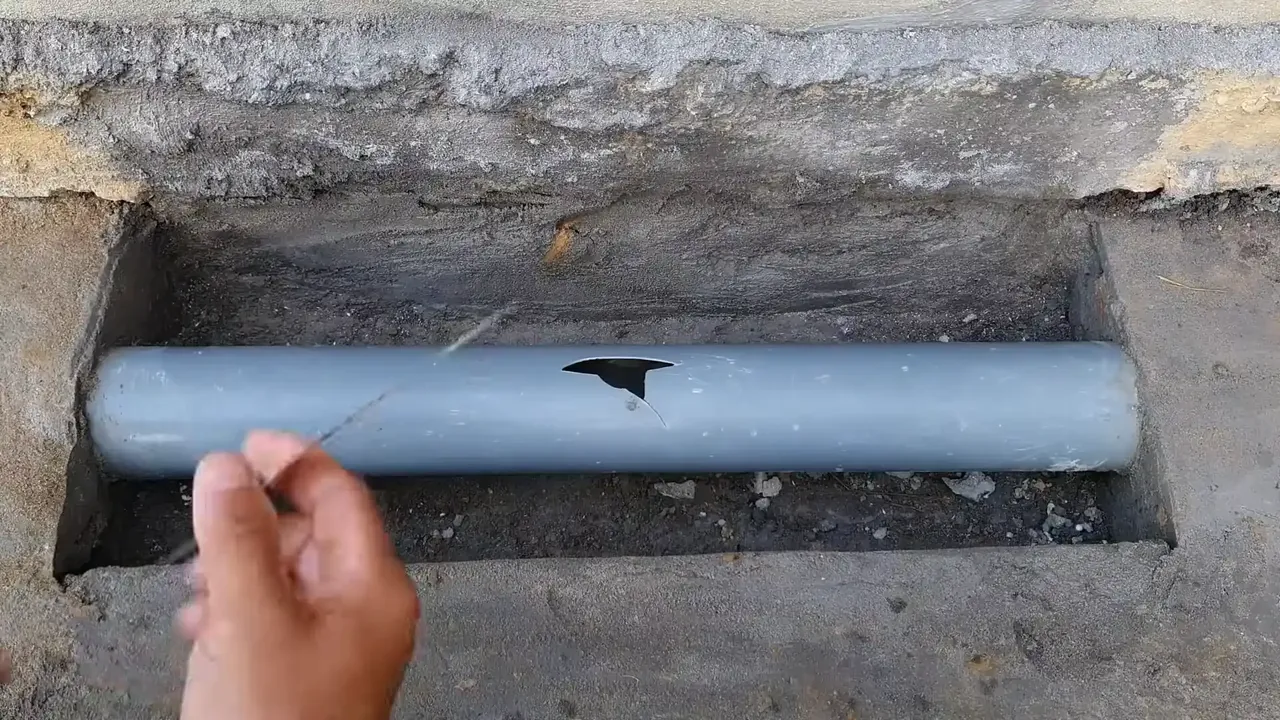
Plumbing leak detection in Placentia covers a wider range of failure types than any single service category. Supply line failures, drain system breaches, fixture leaks, joint failures at shutoff valves, and slab-level pipe failures all present differently and require different diagnostic tools and repair approaches. What they share in this city is a common driver: Golden State Water's groundwater-blend supply runs at 12 to 18 grains per gallon of hardness, and that mineral concentration accelerates corrosion and scale buildup across every metal component in a plumbing system.
Placentia's four housing-era cohorts each carry different pipe materials with different failure signatures. Pre-1950 Old Town Placentia and Atwood homes run galvanized steel supply lines that corrode from inside out, restricting flow and eventually pinholing at the most corrosion-prone sections. The 1950s to 1960s post-war tract homes in North Placentia and Heritage Park Placentia use copper supply lines that have now accumulated 60 to 70 years of hard-water exposure. The 1970s to 1980s East Placentia and Bradford Place homes run copper in the mid-failure range and some polybutylene gray plastic that is considered end-of-life throughout the industry. Newer areas like Camino Loma Verde use PEX, which handles hard water more tolerantly but is not immune to joint and fitting failures.
Whatever the pipe material or failure type in your home, call (714) 750-8637 for a same-day plumbing inspection. We identify the failure source before any wall or floor is opened.
Detection-First Approach
We use acoustic listening equipment, pressure testing by section, moisture meters, and thermal imaging as a diagnostic toolkit rather than as standalone methods. The combination lets us confirm the failure location and the pipe type involved before deciding on a repair approach. This matters in Placentia because the correct response to a galvanized line failure in Old Town is different from the correct response to a pinhole in 1960s copper in North Placentia or a fitting failure in 1970s polybutylene in Bradford Place.
For visible fixture leaks at toilets, faucets, sinks, or showers, see the individual service pages for those components. For supply line failures inside walls or beneath the slab, see our slab leak detection page. For drain system failures, see sewer line detection. This page covers the general diagnostic approach when the failure source is not yet identified.
Call for same-day service in Placentia and North OC
(714) 750-8637The Water Meter Test
Before any professional inspection, the water meter test gives you the first data point. Locate your Golden State Water meter box at the curb or property line. Note the position of the small triangular flow indicator or the dial. Turn off every faucet, appliance, and irrigation valve. Wait three minutes. Check the indicator again. If it has moved, water is leaving your system somewhere between the meter and the fixtures. That confirms an active leak. The diagnostic work that follows identifies where.
Common Plumbing Leak Types in Placentia Homes
- Copper supply line pinholes from hard-water pitting (1950s to 1980s homes)
- Galvanized steel line failure from internal corrosion (pre-1950 Old Town and Atwood)
- Polybutylene fitting cracks (some 1970s to 1980s East Placentia homes)
- Slab supply line failures from thermal fatigue and seismic micro-movement
- Joint leaks at shutoff valves after years without actuation
- PEX fitting leaks at crimp or clamp connections in newer construction
- Drain line failures from root intrusion or Orangeburg deterioration
For any unexplained plumbing leak in Placentia or adjacent North OC cities, call (714) 750-8637. We serve all 29 neighborhoods and cities from the Kraemer Boulevard corridor to Yorba Linda and Fullerton on the same dispatch line.
| Build Era | Supply & Drain Material | Representative Neighborhoods |
|---|---|---|
| Pre-1950 citrus-era | Galvanized supply lines and cast iron drains | Old Town Placentia, Downtown Placentia, Atwood |
| 1950s to 1960s post-war | Copper supply lines now in deep pinhole-failure range after 60 to 70 years of hard-water exposure | North Placentia, South Placentia, West Placentia, +1 more |
| 1970s to 1980s expansion-era | Copper supply lines in mid-failure range, some polybutylene gray plastic pipe | East Placentia, Bradford Place, Tuffree Park Area, +2 more |
| 1990s and newer | PEX dominant with some copper hybrid, PVC drains | Camino Loma Verde, Sanchez Reservoir Area |
Frequently Asked Questions
How do I find a hidden plumbing leak?
Start with the water meter test: turn off all fixtures and irrigation, then check whether the meter flow indicator is still moving. If it is, you have an active supply leak. Acoustic listening equipment, pressure testing by section, and thermal imaging then pinpoint the location. Most hidden supply leaks in Placentia originate at copper pinholes or slab pipe failures.
What are the signs of a plumbing leak inside a wall?
Soft or discolored drywall, a persistent musty odor in a specific room, paint bubbling away from the wall surface, or mold appearing at the baseboard are the most common signs. The wall surface damage is usually well behind the actual start of the leak due to the time it takes moisture to wick through insulation and building materials.
My water bill is high but I can't find any drips. What should I do?
Run the water meter test with all fixtures off. If the meter moves, the leak is on your supply system, most likely a slab leak, a pinhole behind a wall, or a running toilet that is not making the typical audible hiss. A plumber with acoustic leak detection equipment can locate hidden supply leaks without opening walls.
Does the pipe material in my home affect how quickly it will leak?
Yes significantly. In Placentia's 12 to 18 grain hard water, galvanized steel corrodes fastest, copper is in the mid-to-end-of-life range for 1950s to 1970s installations, polybutylene is considered end-of-life regardless of water chemistry, and PEX handles mineral content most tolerantly. Knowing your home's pipe material lets us prioritize which sections to test first.
To schedule service, call (714) 750-8637. CSLB licensed leak detection specialists serving all of North Orange County.
Call Placentia Leak Repair Experts
24/7 detection and repair across North Orange County. CSLB licensed.
24/7 Emergency Response | CSLB Licensed | Old Town to Kraemer Corridor