Inground Pool Leak Detection & Repair in Placentia, CA
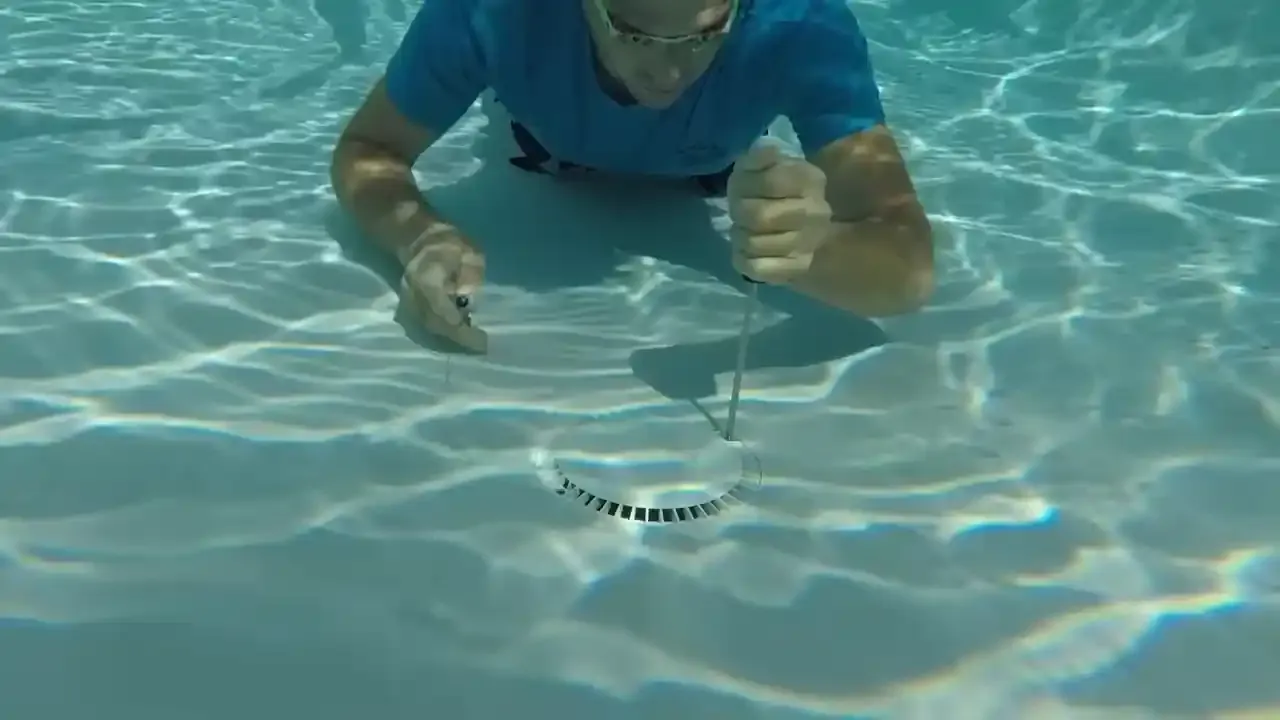
Inground pool leak detection in Placentia requires distinguishing between the three distinct systems that can lose water: the pool shell structure itself, the underground plumbing that circulates water between the shell and the equipment pad, and the equipment connections at the pump, filter, and heater. Each of these systems is diagnosed with different methods, and a complete inground pool leak assessment confirms which system is involved before any deck is opened or any repair scope is priced.
Placentia's inground pools are predominantly gunite construction, built during the 1960s through 1990s development of North Placentia and the broader Tri-City area neighborhoods. Gunite pool shells in this age range show wear at the tile line where the shell is thinnest and where the seasonal temperature differential between the water surface and the air above creates a sustained thermal stress cycle. Placentia's inland North OC location means summer air temperatures regularly exceed 90 degrees Fahrenheit, producing high pool water temperatures that drive the shell-to-tile bond line through repeated thermal expansion and contraction. Cracks in the plaster at the tile line and at skimmer throat penetrations are the most common structural shell failures in Placentia pools of this construction era.
For any Placentia inground pool that is losing more water than the bucket test accounts for as evaporation, call (714) 750-8637 for a pressure test and dye inspection appointment.
Underground Plumbing Pressure Testing
The underground return and suction lines running from the pool shell to the equipment pad are PVC pipe buried beneath the pool deck. These lines operate under positive pressure on the return side and negative pressure on the suction side during pump operation. A return line failure releases pressurized water into the surrounding soil during pump operation, producing a wet patch in the deck or lawn area above the failed section. A suction line failure allows air to infiltrate the suction side of the pump, producing air bubbles returning through the jet inlets in the pool wall during pump operation. Air bubbles at the return jets are the most reliable field indicator of an underground suction-side failure and the diagnostic sign that prompts underground pressure testing of the suction circuit.
Pressure testing the underground circuits confirms whether any segment is holding pressure over a timed test. A segment that drops pressure at a measurable rate has a breach that is releasing water or air. The pressure drop rate and the zone location narrow the failure to a specific run before any deck surface is opened. For the broader pool leak detection sequence that covers shell, plumbing, and equipment assessment together, see that service page for the integrated diagnostic approach.
Air bubbles at return jets or pool dropping more than the bucket test? Call now.
(714) 750-8637Dye Testing at Shell Penetrations
Dye testing confirms active water movement at specific shell penetrations: skimmer throats, return jet fittings, main drain covers, and light niches are the standard test locations for Placentia gunite pools. A syringe of dye solution released near each penetration confirms whether water is being drawn through that penetration into the surrounding shell structure. Dye that moves toward and into the penetration gap confirms an active structural leak at that location. Dye that disperses evenly without directional movement confirms the penetration is sealed.
For hot tub and spa vessels that are plumbed as extensions of the inground pool system, see our hot tub and spa leak detection page for the jet manifold and blower connection failures that are specific to the spa portion of a combined pool and spa system.
Inground pool leak detection and repair across all Placentia and North OC service areas. Call (714) 750-8637 for pressure testing and dye assessment at any hour.
| Build Era | Supply & Drain Material | Representative Neighborhoods |
|---|---|---|
| Pre-1950 citrus-era | Galvanized supply lines and cast iron drains | Old Town Placentia, Downtown Placentia, Atwood |
| 1950s to 1960s post-war | Copper supply lines now in deep pinhole-failure range after 60 to 70 years of hard-water exposure | North Placentia, South Placentia, West Placentia, +1 more |
| 1970s to 1980s expansion-era | Copper supply lines in mid-failure range, some polybutylene gray plastic pipe | East Placentia, Bradford Place, Tuffree Park Area, +2 more |
| 1990s and newer | PEX dominant with some copper hybrid, PVC drains | Camino Loma Verde, Sanchez Reservoir Area |
Frequently Asked Questions
How do I tell if my inground pool has a structural leak or a plumbing leak?
A structural shell leak loses water at the same rate whether the pump is running or off. A plumbing leak loses water at an accelerated rate when the pump is running, because the pressurized return system or the negative-pressure suction system is actively moving water through the breach. Running the bucket test with the pump off, then again with the pump on, and comparing the results separates the two sources.
What causes inground pool shell cracks in Placentia?
Placentia's inland North OC location produces high summer pool water temperatures and a significant thermal differential between the water surface and the air above during hot summer afternoons. The repeated thermal expansion and contraction cycle stresses the plaster at the tile line and at pool shell penetrations. The tile-line waterline area is the most common location for structural cracks in Placentia gunite pools of the 1960s through 1990s construction era.
Do I need to drain my pool to fix a shell crack?
Most underwater shell crack repairs do not require draining the pool. Hydraulic cement and pool-rated epoxy cure in contact with water and are applied with the pool at normal operating level. Repairs at the main drain at the pool floor require draining to expose the work area. Plumbing repairs beneath the deck require a targeted excavation at the confirmed failure location but not a full pool drain.
What are air bubbles at my pool return jets telling me?
Air bubbles returning through the jet inlets during pump operation indicate air infiltration on the suction side of the pump. The pump is drawing air rather than water from some point between the skimmer and the pump inlet. Common sources are a cracked suction line, a failed pump lid O-ring, or a suction-side pipe fitting failure below the deck. Pressure testing the suction circuit confirms the specific failure location.
To schedule service, call (714) 750-8637. CSLB licensed leak detection specialists serving all of North Orange County.
Call Placentia Leak Repair Experts
24/7 detection and repair across North Orange County. CSLB licensed.
24/7 Emergency Response | CSLB Licensed | Old Town to Kraemer Corridor