Bathroom Leak Detection & Repair in Placentia, CA
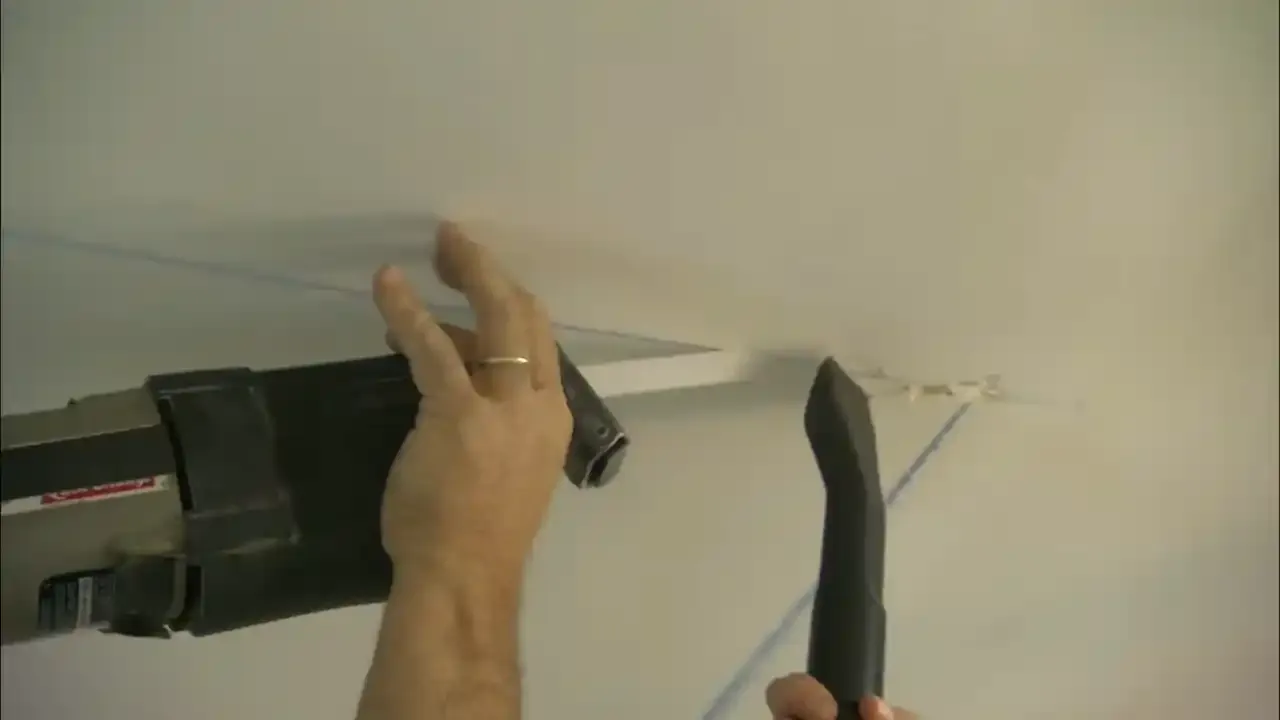
Bathroom leak detection in a Placentia home frequently involves more than one source, because bathrooms concentrate multiple water-using systems in a small space and a slow leak from one fixture can mask or be mistaken for a leak from another. A wet floor that appears every morning may trace to a running toilet, a weeping supply hose under the vanity, a shower pan liner that is releasing water into the mortar bed, or a supply pipe pinhole in the wall behind the vanity. Treating the symptom, the wet floor, without identifying the source leads to temporary fixes that leave the actual failure in place.
Placentia's 12 to 18 grain per gallon hard water from Golden State Water accelerates failure in every metal component in a bathroom. The toilet fill valve accumulates scale that prevents clean shutoff. Faucet cartridges fail faster on ceramic disc and O-ring surfaces coated with mineral deposits. The copper stub-outs behind vanity walls in 1950s to 1960s North Placentia and South Placentia homes are in the late-failure band for pinhole pitting after 60 to 70 years of hard-water service. Any bathroom assessment in a home of that age needs to account for the possibility that the visible fixture failure is a surface indicator of a deeper supply system problem.
For a bathroom leak that has not been traced to a single confirmed source, call (714) 750-8637 for a multi-source assessment. Same-day inspection available across all Placentia neighborhoods.
Multi-Source Assessment Sequence
A bathroom leak assessment in a Placentia home follows a defined sequence that isolates sources systematically rather than guessing. We start with the supply system: meter test to confirm whether an active supply leak exists, pressure testing to isolate the affected zone, and acoustic listening or thermal imaging at the vanity wall and shower valve location. We then assess the drain system: visual inspection of the P-trap and drain connections, dye test for running toilet, and flood test for shower pan integrity when indicated. Moisture meter readings at all wall surfaces adjacent to the bathroom map the extent of any water damage already present in the building materials behind the tile and drywall surfaces.
This sequence prevents the common scenario where a homeowner replaces the toilet flapper, sees the water bill remain elevated, then replaces the faucet cartridge, and still has elevated consumption because the actual source was a copper pinhole in the supply stub inside the vanity wall throughout. For the specific fixture-level assessments, see our toilet leak detection page, our shower pan leak detection page, and our faucet leak detection page.
Wet floor or stained ceiling below the bathroom? Call for same-day multi-source assessment.
(714) 750-8637Mold and Building Material Damage
Sustained bathroom leaks in Placentia produce mold in building materials within 24 to 48 hours of initial saturation. Mold in bathroom wall cavities is particularly common in 1950s to 1970s homes where the original wall framing used Douglas fir studs without any moisture barrier behind the tile. A leak that has been running for weeks before detection will have established mold colonies in the stud cavities behind the tile that require remediation in addition to the plumbing repair. We identify the moisture extent so the remediation scope is accurate before any tile or drywall is removed.
For damage that has spread beyond the bathroom to adjacent rooms, including ceiling staining below a second-floor bathroom or wet walls in an adjacent bedroom, see our ceiling leak detection page and our wall leak detection page for the damage mapping scope outside the bathroom perimeter.
Bathroom leak detection across all 29 Placentia neighborhoods and adjacent North OC cities. Call (714) 750-8637 any hour for inspection or emergency response.
| Build Era | Supply & Drain Material | Representative Neighborhoods |
|---|---|---|
| Pre-1950 citrus-era | Galvanized supply lines and cast iron drains | Old Town Placentia, Downtown Placentia, Atwood |
| 1950s to 1960s post-war | Copper supply lines now in deep pinhole-failure range after 60 to 70 years of hard-water exposure | North Placentia, South Placentia, West Placentia, +1 more |
| 1970s to 1980s expansion-era | Copper supply lines in mid-failure range, some polybutylene gray plastic pipe | East Placentia, Bradford Place, Tuffree Park Area, +2 more |
| 1990s and newer | PEX dominant with some copper hybrid, PVC drains | Camino Loma Verde, Sanchez Reservoir Area |
Frequently Asked Questions
How do I identify where a bathroom leak is coming from?
Dry the entire bathroom floor and all under-sink cabinet surfaces completely. Run each water-using fixture one at a time: fill the sink and watch the drain connections, flush the toilet and watch the base and tank, run the shower and watch the floor and walls. Isolating which fixture activates the leak narrows the source. If no single fixture activation produces visible water, the source is likely inside a wall or under the floor and requires moisture meter assessment.
Can a running toilet cause mold in the wall?
A running toilet that is leaking at the base wax ring rather than internally can release water onto the slab floor with each flush. That water wicks to the adjacent wall base and into the wall framing over time, producing mold conditions in the bottom of the wall cavity. Internal running toilets that drain into the bowl rather than onto the floor do not directly cause wall mold but do cause elevated water bills.
Should I fix the tile grout or call a plumber first?
Grout repair before confirming the plumbing source risks trapping moisture already present in the wall or mortar bed. A moisture meter check of all bathroom wall surfaces before any tile work begins confirms whether the wall cavities are already wet. If they are, the plumbing source and the building material drying need to happen before grout or tile repair seals in the moisture.
What is the most common bathroom leak in a 1960s Placentia home?
In 1950s to 1960s Placentia homes, copper pinhole leaks in the supply stub-outs behind the vanity and shower valve walls are the most common source that produces ongoing elevated water bills without visible floor water. Running toilet flappers from hard-water scale damage are the most common source of elevated bills without any visible leak at all.
To schedule service, call (714) 750-8637. CSLB licensed leak detection specialists serving all of North Orange County.
Call Placentia Leak Repair Experts
24/7 detection and repair across North Orange County. CSLB licensed.
24/7 Emergency Response | CSLB Licensed | Old Town to Kraemer Corridor